Classical Internet vs. Quantum Internet: A Deep Dive into Their Differences and Future Together

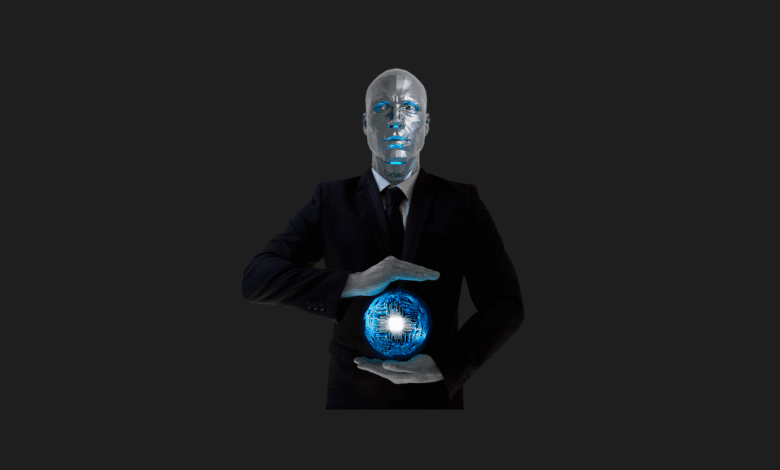

The internet, as we know it, has revolutionized communication and information exchange. However, a new paradigm is on the horizon: the quantum internet. While still largely theoretical, this nascent technology promises to transform security and computing in ways the classical internet cannot. It’s crucial to understand that the quantum internet isn’t designed to replace its predecessor but rather to augment it, offering enhanced functionalities for a new era of connectivity.
The Fundamental Building Blocks: Bits vs. Qubits
The most significant difference between the classical internet and the quantum internet lies in their fundamental units of data: bits and qubits.
The classical internet relies on bits, the smallest unit of digital information. A bit represents a binary state, either a 0 or a 1 (think of it as “off” or “on”). These bits combine to form all the data we encounter online, from text characters and image pixels to video frames. The processing in the classical internet is deterministic, meaning changes to a data packet are based on the overall information it contains.
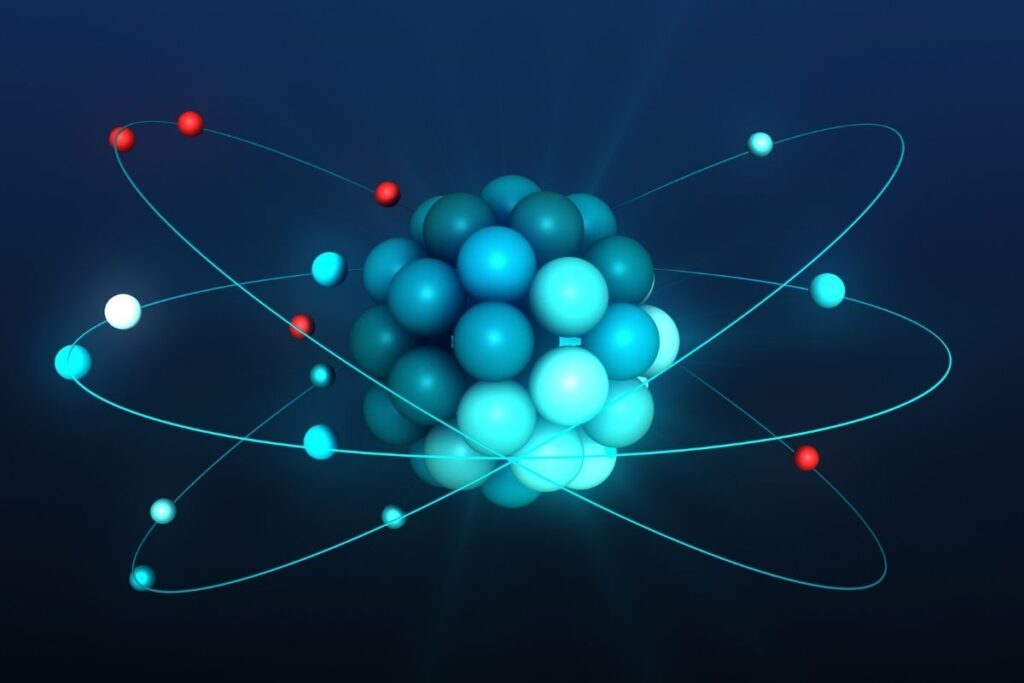
In contrast, the quantum internet utilizes qubits. A qubit represents two quantum states simultaneously, thanks to phenomena like superposition. This means a qubit can be both 0 and 1 at the same time. Qubits encode information based on properties like the polarization of a photon or the spin of an electron. This unique characteristic allows for different logical operations, such as error correction or encryption, to be applied to individual qubits without affecting others within the same data packet. This is a radical departure from classical processing.
Modes of Operation: TCP/IP vs. Quantum Mechanical Principles
The classical internet operates on a well-established set of rules, primarily the TCP/IP protocol suite. This suite defines how data is encapsulated into packets, addressed, routed, and delivered reliably across networks. Every device on the classical internet has a unique IP address, enabling seamless communication from source to destination at high speeds.
The quantum internet, being in its nascent stages, does not yet have a universally defined networking protocol suite akin to TCP/IP. Instead, current quantum communication relies on various quantum networking protocols developed by researchers. These protocols leverage quantum mechanical principles, particularly entanglement, to exchange qubits within a network.


Coverage and Expansion: Global Reach vs. Research Laboratories
The classical internet is a truly global interconnected network. Billions of smaller networks worldwide contribute to its vastness, allowing billions of users to access information and communicate daily.
The quantum internet’s coverage is currently limited. It exists primarily in hypothetical scenarios and within research laboratories. Scientists are actively conducting trials to establish entanglement over long distances. While studies have shown a maximum fiber-based quantum network range of around 62 miles (100 kilometers), researchers are employing quantum repeaters to amplify weak signals and extend the reach of quantum communication.
Security Paradigms: Cryptographic Protocols vs. Quantum Key Distribution
Security is a paramount concern for both internets, but their approaches differ significantly.
The classical internet relies on various network security protocols to create secure channels. These include well-known examples such as IPsec, VPN tunneling protocols, Secure Socket Layer (SSL), Secure Shell (SSH), Tunneled Layer Security (TLS), and Wi-Fi Protected Access (WPA). These protocols encrypt data and authenticate connections to protect against unauthorized access.
The quantum internet’s security is built upon the revolutionary concept of quantum key distribution (QKD). QKD allows for the sharing of a secret, irreplicable key between connected devices. The inherent laws of quantum mechanics make this exceptionally secure: any attempt by a hacker to measure or intercept an entangled qubit will inevitably collapse its wave function, thereby altering its state and immediately revealing the presence of an eavesdropper. This makes it impossible to secretly duplicate or intercept the key without detection. The quantum internet will also implement broader quantum cryptographic protocols to safeguard all communication.
Reliability: Packet Loss vs. Qubit Loss (Decoherence)
The classical internet is generally reliable, but packet loss can occur due to network congestion, hardware failures, or other factors. Packet loss can lead to data transmission issues and latency.
The quantum internet faces a similar challenge with qubit loss, also known as quantum decoherence. This occurs when qubits interact with their environment, leading to the loss of their delicate quantum states. While a significant hurdle in the early stages of quantum networking, researchers are actively studying the causes of decoherence and working on methods to prevent or correct it through error correction codes.
Speed: Mbps/Gbps vs. Theoretical Instantaneous Communication

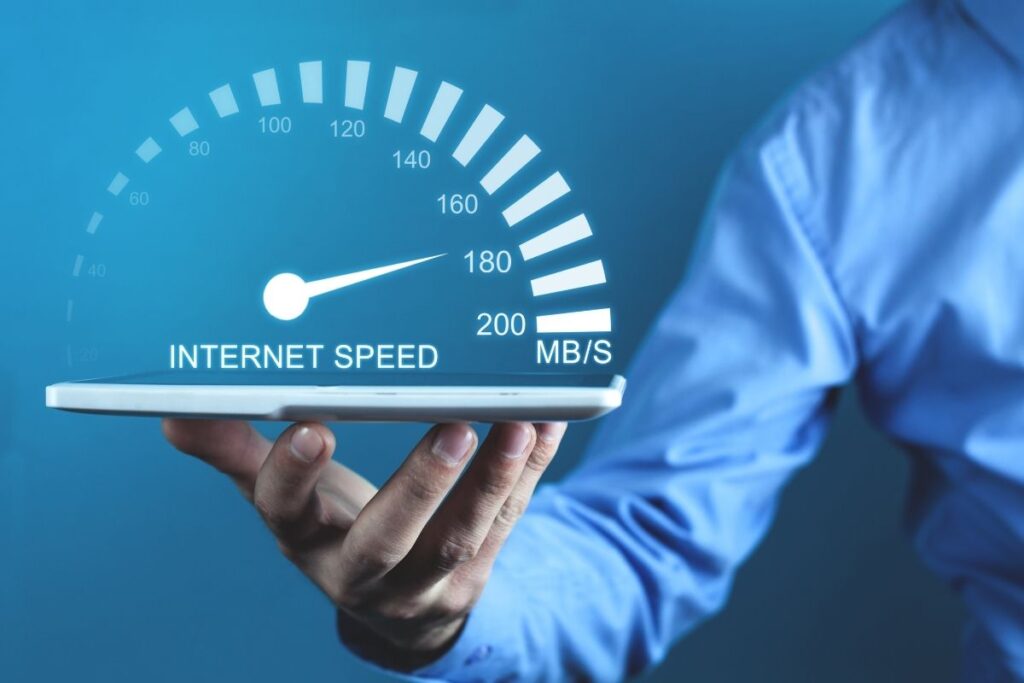
Classical internet speeds vary widely, ranging from Megabits per second (Mbps) for basic activities like web Browse and email, to Gigabits per second (Gbps) for bandwidth-intensive tasks such as large file downloads, high-definition video conferencing, and online gaming. For instance, a 100 Mbps connection allows for smooth 4K video streaming, while a 1 Gbps connection can download a full-length HD movie in seconds.
Early theories about quantum communication predicted speeds faster than light, seemingly defying the causality principle (every cause has an effect). This was based on the idea that entanglement, the property linking qubits together, allows for instantaneous communication regardless of distance. Theoretically, two entangled qubits could be a billion miles apart, and a change in one would instantaneously affect the other. However, current research suggests that information cannot be transmitted faster than light using entanglement. While the measurement of one entangled particle instantly influences the other, it doesn’t allow for faster-than-light data transfer in a conventional sense. The security benefits and unique computing capabilities, rather than raw speed for everyday Browse, are the primary advantages. It’s important to note that the impossibility of measuring both the position and momentum of an entangled particle simultaneously suggests that the speed of the quantum internet will not, in fact, move at the speed of light for information transfer.
The Symbiotic Future: How Classical and Quantum Internets Will Coexist

Researchers anticipate a synergistic relationship where the quantum internet will integrate with the classical internet to solve complex problems and enable unprecedented levels of security and computing power. This collaboration could manifest in several ways:
- Quantum Hybrid Networks: These networks would combine elements of both the classical internet and quantum networks. This integration could enhance security, for example, through QKD. While the no-cloning theorem prevents the duplication of quantum states, redundancy is crucial in enterprise environments. Error correction devices could be deployed in quantum networks to mitigate errors, which are more prevalent in quantum systems.
- Surpassing Supercomputing: Even in its initial stages, the quantum internet is expected to help quantum computers surpass the capabilities of traditional supercomputers in real-time. Supercomputers, while powerful, operate on bits. The unique properties of qubits could enable quantum computers, connected via a quantum internet, to tackle problems currently intractable for even the most powerful classical machines.
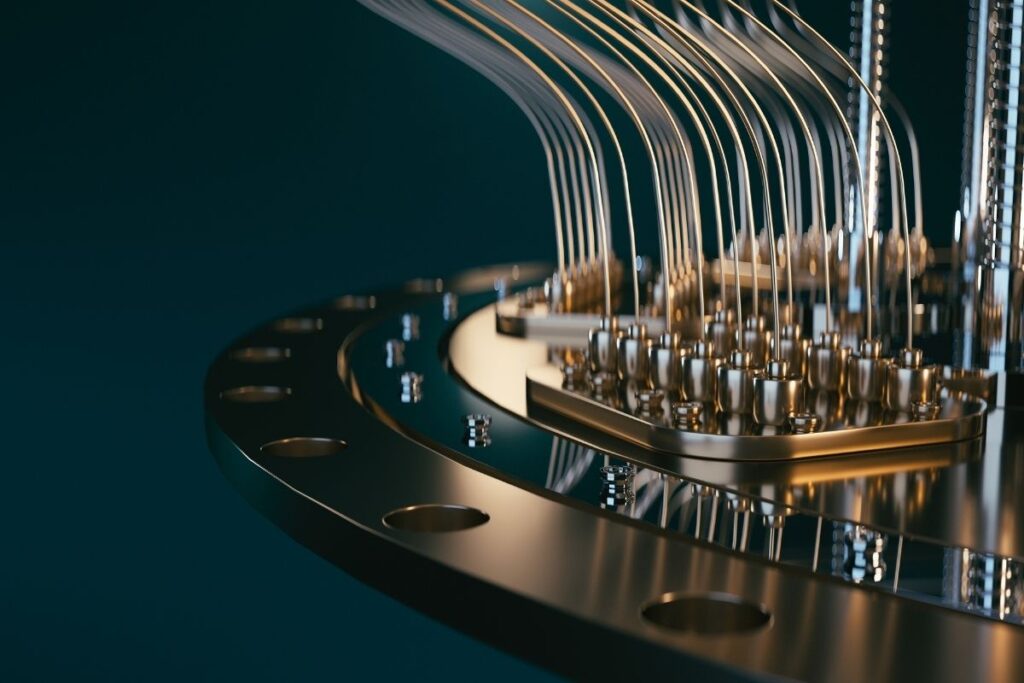
- Superconductor-Based Devices: The future of the quantum internet may involve running on superconductor-based devices, enabling quantum cloud computing. This involves integrating superconductors (materials with zero electrical resistance at low temperatures) into quantum networks, potentially replacing semiconductor hardware.
Quantum Internet: A Glimpse into Web x.0
The evolution of the internet has progressed through stages like Web 1.0 (static control), Web 2.0 (dynamic social media), and Web 3.0 (decentralization and ownership). While experts envision Web 4.0 as an AI integration of physical and virtual worlds, the quantum internet could be a leap beyond these advanced stages. It holds the potential to create a truly hacker-less, incredibly fast, and irreplicable internet, fundamentally redefining our digital interactions and capabilities.
What aspects of the quantum internet’s future do you find most intriguing?
You Might Also Like;